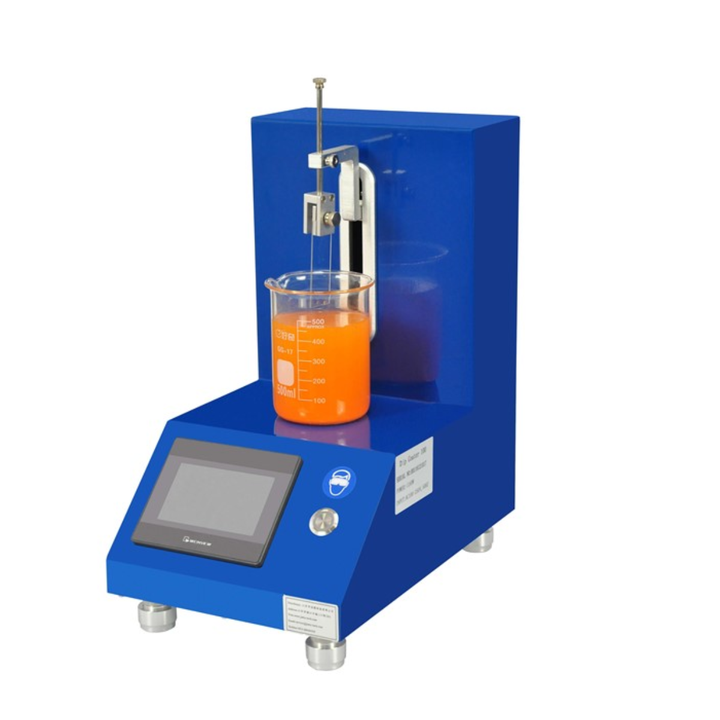
Dip Coating Machines: A Complete Guide to Industrial and Laboratory Coating Systems
Dip coating machines play an important role in modern manufacturing, research, and surface engineering. From laboratory-scale testing to large-scale industrial production, these systems help create consistent and controlled coatings on a wide range of materials. Industries such as electronics, automotive, medical devices, aerospace, textiles, and packaging often rely on dip coating processes to improve durability, appearance, corrosion resistance, and product performance. As coating technologies continue to evolve, businesses and research facilities are increasingly exploring automated coating systems that improve efficiency, reduce material waste, and maintain uniform quality. Whether used for epoxy coating applications, protective layers, or precision thin-film development, dip coating equipment has become an essential part of many industrial operations.
What Is a Dip Coating Machine?
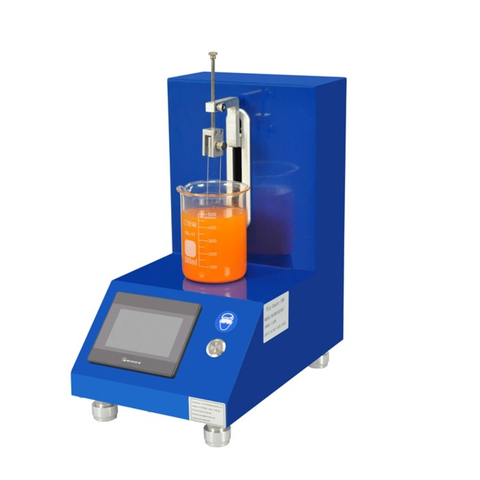
A dip coating machine is a specialized piece of industrial equipment designed to apply a liquid coating onto a substrate by immersing it into a coating solution and withdrawing it at a controlled speed. The process creates a thin and even layer of material on the surface.
The coating thickness depends on several factors, including:
- Withdrawal speed
- Coating viscosity
- Surface tension
- Drying conditions
- Material properties
Dip coating is commonly used for applying protective coatings, decorative finishes, conductive layers, and functional thin films.
Both laboratory and industrial-scale systems are available, ranging from compact research models to fully automated dip coating systems integrated into production lines.
How the Dip Coating Process Works
The dip coating process generally follows a simple sequence, but precision control is critical for consistent results.
1. Surface Preparation
Before coating begins, the substrate is cleaned to remove dust, grease, moisture, or contaminants. Proper preparation improves coating adhesion and surface quality.
2. Immersion
The object is lowered into the coating solution at a controlled speed. The immersion depth and timing are carefully managed based on the application requirements.
3. Dwell Time
The substrate may remain submerged for a short period to ensure complete wetting of the surface.
4. Withdrawal
The object is withdrawn slowly and uniformly. This stage significantly affects coating thickness and uniformity.
5. Drying and Curing
After coating, the substrate undergoes drying or curing. Some materials require heat curing, UV curing, or controlled environmental conditions.
This process is widely used in industrial coating applications because it offers repeatability and scalability.
Main Components of a Dip Coating Machine
Modern dip coating machines include several important components designed for accuracy and process control.
Mechanical Drive System
Controls the vertical movement of the substrate during immersion and withdrawal.
Control Interface
Allows operators to adjust speed, immersion depth, dwell time, and coating cycles.
Coating Tank
Holds the coating solution and may include temperature or agitation control features.
Sample Holder
Secures the material being coated and maintains stability during operation.
Drying or Curing Integration
Some automated coating systems include built-in drying chambers or curing stations.
Advanced systems may also include programmable automation, touch-screen controls, and data logging capabilities.
Types of Dip Coating Machines
Different industries require different coating solutions, which has led to several categories of dip coating equipment.
Laboratory Dip Coating Equipment
Laboratory systems are commonly used for research, product development, and material testing. These machines focus on precision, repeatability, and flexibility.
Researchers often use lab dip coating equipment for:
- Nanotechnology research
- Thin-film development
- Biomedical coatings
- Electronics testing
- Material science experiments
Models such as the Faustel Labmaster are known in research environments for controlled coating studies and pilot-scale testing.
In regions with growing manufacturing and research activity, demand for lab dip coating equipment Malaysia continues to expand across universities, technology centers, and industrial laboratories.
Industrial Dip Coating Machines
Industrial systems are designed for high-volume production environments. These machines support continuous operations and larger substrate sizes.
Common features include:
- Automated handling systems
- Conveyor integration
- Multi-stage coating lines
- High-speed operation
- Environmental controls
Industrial dip coater Malaysia solutions are increasingly used in sectors such as electronics manufacturing, metal finishing, and automotive component production.
Automated Dip Coating Systems
Automation has become a major trend in coating technology. An automated dip coating system reduces manual intervention and improves production consistency.
Advantages of automation include:
- Improved coating uniformity
- Reduced operator error
- Higher throughput
- Better process repeatability
- Lower material waste
Automated coating systems are especially valuable in industries where precision and scalability are critical.
Common Coating Materials Used
Dip coating machines support many different coating materials depending on the application.
Epoxy Coating
Epoxy coating is widely used for corrosion resistance, insulation, and durability. It creates a strong protective barrier on metal and industrial components.
Ceramic Coatings
Used in high-temperature and wear-resistant applications.
Polymer Coatings
Applied in medical devices, packaging, and electronics.
Sol-Gel Coatings
Common in optical, semiconductor, and research applications.
Conductive Coatings
Used in electronics and sensor manufacturing.
The choice of coating material affects machine configuration, drying methods, and environmental controls.
Industries That Use Dip Coating Machines
Dip coating technology serves a wide range of industries because of its flexibility and efficiency.
Electronics Industry
Electronic components often require thin protective or conductive coatings for insulation and durability.
Automotive Manufacturing
Automotive parts use industrial coating systems for corrosion resistance and long-term performance.
Medical and Healthcare
Medical devices may require biocompatible coatings or antimicrobial surface treatments.
Aerospace Sector
Aircraft components benefit from lightweight protective coatings that improve reliability.
Textile and Fabric Applications
Specialized coatings can improve water resistance, flame retardancy, or durability.
Research and Development
Laboratories and universities use dip coating equipment for material science and engineering research.
Benefits of Using Dip Coating Machines
Dip coating remains popular because it offers several operational and technical advantages.
Uniform Coating Thickness
Controlled withdrawal speeds help maintain consistent surface coverage.
Cost Efficiency
The process reduces excess material use compared to some spray-based methods.
Scalability
The same process can be adapted from laboratory testing to industrial production.
Versatility
Dip coating machines can handle many substrate shapes and coating materials.
Automation Compatibility
Modern automated coating systems improve productivity and process consistency.
Factors to Consider Before Choosing a Dip Coating Machine
Selecting the right system depends on production goals, coating materials, and operational requirements.
Production Scale
Laboratory research requires different capabilities than industrial manufacturing.
Coating Material Compatibility
The machine must support the viscosity, curing requirements, and chemical properties of the coating solution.
Automation Requirements
Businesses with high production volumes often benefit from automated dip coating systems.
Speed and Precision
Precise speed control is important for achieving accurate coating thickness.
Environmental Conditions
Some coatings require controlled humidity, temperature, or cleanroom environments.
Maintenance and Support
Reliable servicing and technical support are important for long-term equipment performance.
Businesses looking to buy dip coating machine Malaysia solutions often evaluate local support availability, application expertise, and system customization options alongside technical specifications.
Maintenance and Operational Best Practices
Proper maintenance improves machine lifespan and coating quality.
Recommended practices include:
- Regular cleaning of coating tanks
- Monitoring solution contamination
- Calibrating motion systems
- Inspecting mechanical components
- Following safe chemical handling procedures
Preventive maintenance reduces downtime and helps maintain coating consistency.
Emerging Trends in Dip Coating Technology
The coating industry continues to evolve with advancements in automation, sustainability, and precision manufacturing.
Smart Automation
Modern industrial equipment increasingly includes programmable controls, sensors, and real-time monitoring systems.
Sustainable Coating Processes
Manufacturers are exploring low-waste and environmentally responsible coating methods.
Advanced Thin-Film Applications
Emerging technologies in electronics and renewable energy require increasingly precise coatings.
Integration with Industry 4.0
Automated coating systems are gradually becoming part of connected manufacturing environments with digital monitoring and analytics.
These developments are shaping the future of industrial coating technologies worldwide.
Final Thoughts
Dip coating machines are essential tools in both industrial manufacturing and scientific research. Their ability to apply precise and uniform coatings makes them valuable across many industries, from electronics and healthcare to automotive and aerospace applications.
Whether used for epoxy coating, thin-film development, or large-scale industrial coating operations, modern dip coating systems continue to improve efficiency, consistency, and process control. Advances in automation and smart manufacturing are also making automated dip coating systems more adaptable to evolving industrial requirements.