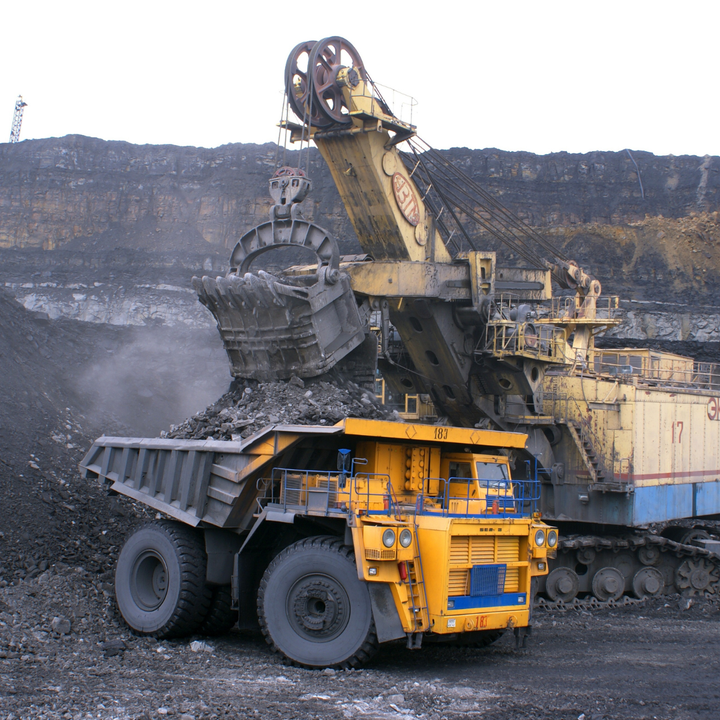
Mining Equipment Electrification: How the Mining Industry Is Transitioning Toward Cleaner and Smarter Operations
The mining industry is undergoing a major transformation as companies around the world explore cleaner, safer, and more energy-efficient operations. One of the most important developments shaping this transition is mining equipment electrification. From battery-powered haul trucks to underground charging systems and electric drill rigs, electrification is becoming a practical strategy for improving operational efficiency while reducing environmental impact.
What Is Mining Equipment Electrification?
Mining equipment electrification refers to the replacement or conversion of diesel-powered mining machinery with electric-powered alternatives. These systems may operate fully on batteries, trolley-assist infrastructure, cable-electric systems, or hybrid technologies that combine electric and conventional power sources.
Electrification can apply to many types of mining equipment, including:
- Haul trucks
- Underground loaders
- Drill rigs
- Excavators
- Utility vehicles
- Conveyors
- Ventilation systems
The primary objective is to reduce dependence on diesel fuel while improving energy efficiency and operational performance.
Why Electrification Is Becoming Important in Mining
Mining operations are energy-intensive environments that require heavy equipment to operate continuously in demanding conditions. Traditionally, diesel engines have powered most mining fleets due to their durability and range. However, diesel-powered systems also introduce challenges related to fuel consumption, emissions, heat generation, and maintenance.
Electrification is gaining attention because it addresses several of these concerns simultaneously.
Lower Emissions and Decarbonization Goals
Many mining companies are pursuing mining fleet decarbonization strategies to align with environmental standards and corporate sustainability targets. Electric equipment can significantly reduce greenhouse gas emissions, particularly when paired with renewable energy sources.
Battery-electric systems also help reduce particulate emissions underground, which contributes to healthier working environments for mine personnel.
Improved Underground Working Conditions
Underground mine electrification has become a growing focus because diesel equipment generates heat, exhaust gases, and noise in enclosed environments. Electric mining vehicles typically produce less heat and operate more quietly, reducing ventilation demands and improving air quality underground.
This can help mining operators optimize ventilation infrastructure and lower energy consumption related to cooling and air circulation.
Reduced Maintenance Requirements
Electric drivetrains generally contain fewer moving parts than traditional diesel engines. This can lead to lower maintenance frequency and reduced downtime for certain types of mining equipment.
Operators often report benefits such as:
- Fewer fluid changes
- Reduced engine wear
- Lower brake maintenance
- Simplified mechanical systems
These factors may contribute to improved equipment availability and operational consistency over time.
Battery Electric Haul Trucks and Heavy Mining Vehicles
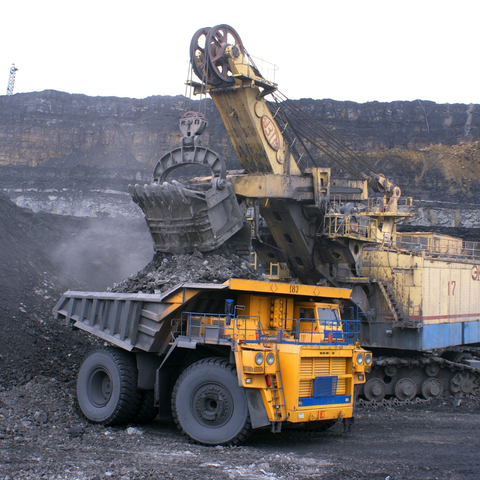
One of the most discussed innovations in mining electrification is the development of battery electric haul trucks. These vehicles are designed to transport large volumes of material while reducing diesel consumption and emissions.
Modern battery-electric haul trucks use high-capacity battery systems combined with regenerative braking technologies. Regenerative systems allow trucks to recover energy while descending slopes, which can improve overall energy efficiency in open-pit mining operations.
Key Features of Electric Haul Trucks
Battery-electric haul trucks often include:
- High-torque electric motors
- Energy recovery systems
- Advanced battery management software
- Automated performance monitoring
- Reduced engine vibration and noise
Mining companies are testing both fully electric and hybrid haul truck models to determine the best fit for different site conditions and operational requirements.
Although battery performance, charging infrastructure, and operating range remain important considerations, ongoing advancements in industrial battery technology continue to improve equipment capabilities.
Trolley Assist Mining Systems
Trolley assist mining systems are another major component of mining equipment electrification. These systems use overhead electrical lines to power haul trucks while traveling on designated uphill routes.
In trolley-assist operations, haul trucks connect to an electric power line through a pantograph system. This allows the truck to use external electricity instead of relying entirely on onboard diesel or battery power during high-energy segments of the haul cycle.
Benefits of Trolley Assist Systems
Trolley assist systems can offer several operational advantages:
- Reduced fuel consumption
- Improved uphill travel speeds
- Lower engine stress
- Reduced carbon emissions
- Increased hauling efficiency
Many mining operations use trolley assist infrastructure as a transitional solution while gradually expanding broader electrification programs.
The effectiveness of these systems depends on mine layout, elevation changes, electrical infrastructure, and long-term operational planning.
Underground Mine Electrification Trends
Underground mining environments are among the strongest candidates for electrification because ventilation and cooling systems represent a significant operational expense.
Electric underground mining equipment can reduce the need for large ventilation systems by minimizing diesel emissions and heat generation.
Common Electrified Underground Equipment
Examples of underground electrification technologies include:
- Battery-electric loaders
- Electric utility vehicles
- Cable-electric drilling systems
- Battery-powered personnel carriers
- Electric rock bolters
Some mining operations are also integrating smart energy systems that monitor charging schedules, battery health, and energy usage in real time.
This combination of electrification and digital monitoring supports safer and more efficient underground operations.
Industrial Mining Chargers and Charging Infrastructure
Charging infrastructure plays a critical role in successful mining electrification projects. Industrial mining chargers are designed to support high-capacity battery systems used in heavy-duty mining environments.
Unlike consumer electric vehicle charging systems, mining chargers must handle demanding operational schedules, harsh conditions, and large energy requirements.
Important Factors in Mining Charging Systems
Mining companies evaluating charging infrastructure often consider:
- Charging speed
- Equipment compatibility
- Site power availability
- Battery lifecycle management
- Energy efficiency
- Safety systems
Fast-charging stations may help reduce downtime between shifts, while automated charging systems can improve operational efficiency in high-production environments.
Some mining operations are also exploring renewable energy integration, such as solar or wind-assisted charging systems, to further support sustainability initiatives.
Electric Drill Rig Conversion and Retrofit Projects
Not all mining companies replace equipment fleets immediately. In many cases, operators explore electric drill rig conversion and retrofit programs as a gradual approach to modernization.
Equipment retrofitting involves modifying existing diesel-powered systems to support electric or hybrid power solutions. This strategy can help extend equipment life while reducing fuel dependency.
Advantages of Equipment Conversion Projects
Electric conversion projects may offer several practical benefits:
- Lower upfront replacement requirements
- Reduced emissions from existing fleets
- Improved energy efficiency
- Extended equipment usability
- Easier integration into phased electrification plans
However, retrofit success depends on equipment age, operating conditions, power infrastructure, and technical compatibility.
Mining companies often conduct detailed engineering assessments before beginning large-scale conversion programs.
Challenges of Mining Equipment Electrification
Although electrification offers many advantages, the transition also presents operational and technical challenges.
Infrastructure Requirements
Electric mining operations require significant power infrastructure, including substations, charging stations, grid connections, and electrical distribution systems.
Remote mining sites may face additional challenges related to power availability and energy reliability.
Battery Technology Limitations
Battery performance can vary depending on temperature, workload, terrain, and operating cycles. Large mining vehicles require substantial energy storage capacity, which continues to be an area of active development.
Initial Investment Considerations
Electrification projects may involve substantial planning and infrastructure upgrades. Companies often evaluate long-term operational savings alongside initial implementation costs when developing electrification strategies.
Workforce Training
Mining personnel may require additional technical training to manage electric equipment safely and efficiently. Maintenance teams must also adapt to new systems involving batteries, high-voltage components, and digital monitoring technologies.
The Future of Electrified Mining Operations
Mining equipment electrification is expected to continue expanding as technology improves and sustainability expectations evolve. Equipment manufacturers, mining companies, and energy providers are increasingly collaborating to develop scalable electric solutions for different mining environments.
Future developments may include:
- Higher-capacity battery systems
- Autonomous electric mining fleets
- Advanced energy recovery technologies
- Renewable-powered mine sites
- Smart charging networks
- Integrated fleet energy management systems
The pace of adoption will likely vary depending on regional regulations, energy infrastructure, mineral demand, and operational goals. However, electrification is becoming an important part of long-term mining modernization strategies worldwide.
Conclusion
Mining equipment electrification is reshaping how modern mining operations approach efficiency, sustainability, and operational planning. Technologies such as battery electric haul trucks, trolley assist mining systems, underground mine electrification, industrial mining chargers, and electric drill rig conversion projects are helping the industry move toward cleaner and more energy-conscious operations.
While challenges related to infrastructure, battery technology, and implementation remain important considerations, ongoing innovation continues to improve the practicality of electric mining systems across both surface and underground applications.